Comforters are the primary interior layer for warmth and comfort in a bed, combining insulation with a breathable shell to regulate temperature through the night. These bedding components vary in fill material, weight, and construction, influencing warmth, loft, and durability. Understanding these factors helps align a comforter with climate, sleep preferences, and room decor.
Fill materials range from down and alternative fibers to cotton blends, each offering distinct warmth-to-weight ratios and softness. Goose down, in particular, provides high warmth with light weight and excellent loft, while synthetic fills offer hypoallergenic options and easier care. Knowledge of fill type supports informed selections for allergy considerations and washing needs.
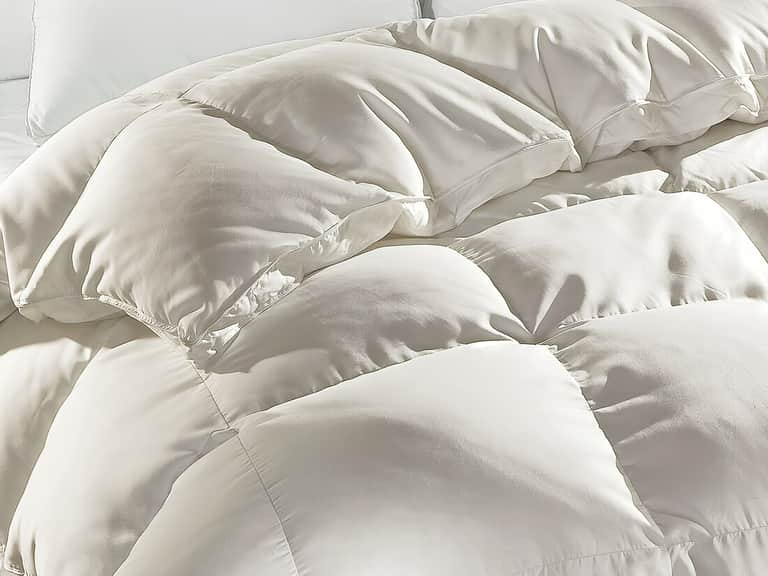
Shell construction and stitching patterns affect warmth retention and durability. Baffle box or gusset designs minimize shifting of fill, maintaining even warmth across the bed. Lightweight, medium-weight, and heavy comforters cater to different seasons and room environments, ensuring comfort without bulk and improving overall sleep quality.
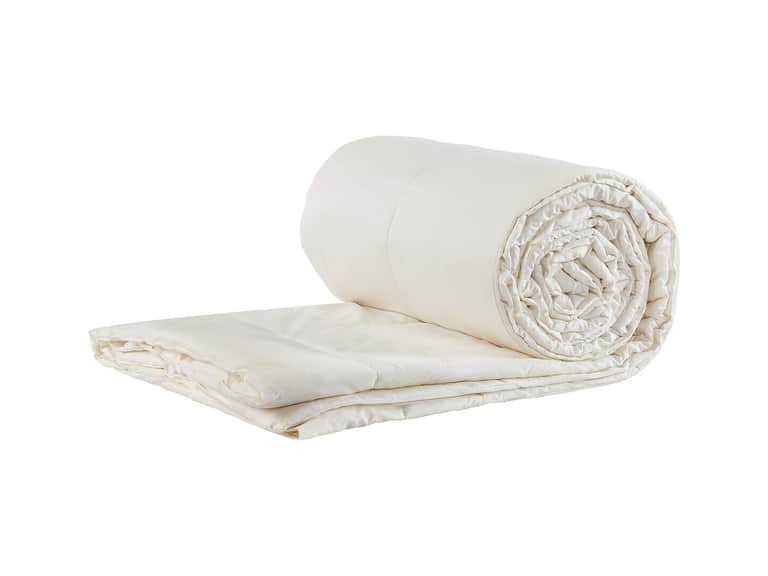
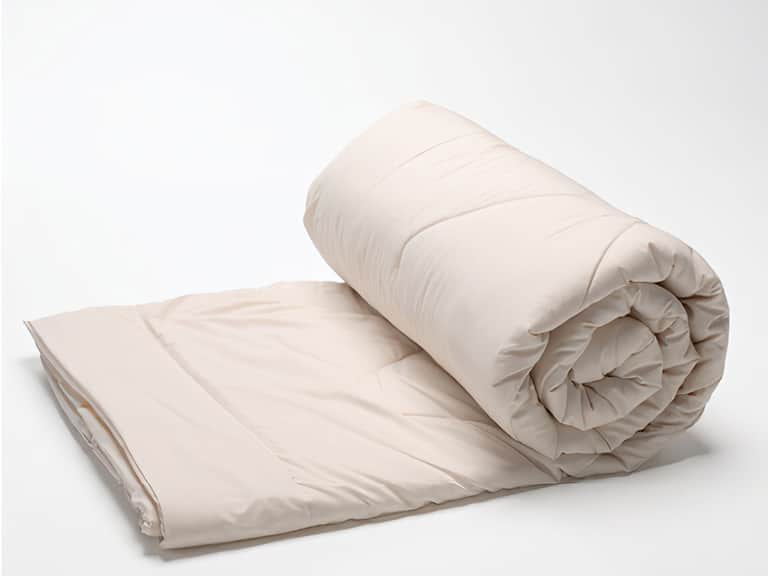
The Clean Bedroom Madison Goose Down Comforter exemplifies premium warmth, offering lofty down fill that traps heat efficiently while remaining soft to the touch. The Sleep and Beyond myComforter emphasizes ergonomic design and consistent heat distribution, providing reliable insulation and comfort. Both options illustrate how product features translate into practical nighttime benefits.
Incorporating proper care and compatibility with different duvet covers enhances the longevity of comforters. Consider allergen exposure, ease of cleaning, and storage when choosing between nursery-friendly or adult-focused designs. Keywords such as bedding, pillows, sheets, latex, and nursery intersect with comforter characteristics to support overall sleep environment knowledge.
 Bedding