Blankets and quilts serve as essential layers for warmth, comfort, and decorative coordination in bedding setups. This category covers a range of textiles designed to regulate temperature, wick moisture, and provide a soft, breathable surface for restful sleep. Understanding fabric construction, fill materials, and weave patterns helps users select bedding that aligns with personal comfort preferences and seasonal needs.
Key characteristics to consider include fabric type, such as cotton, wool, or blends, which influence durability, feel, and temperature regulation. Weave structures like percale, sateen, and waffle fleece affect breathability and loft. For sensitive sleepers, natural fibers and low-piling textures can reduce irritation while maintaining warmth and softness throughout the night.
Product features often center on insulation value, hypoallergenic properties, and care requirements. Waffle blankets, for example, offer breathable warmth with a textured surface that minimizes overheating, while dense quilts provide a compact layer of warmth. Knowledge of care instructions helps maintain fiber integrity, colorfastness, and overall lifespan of blankets and quilts.
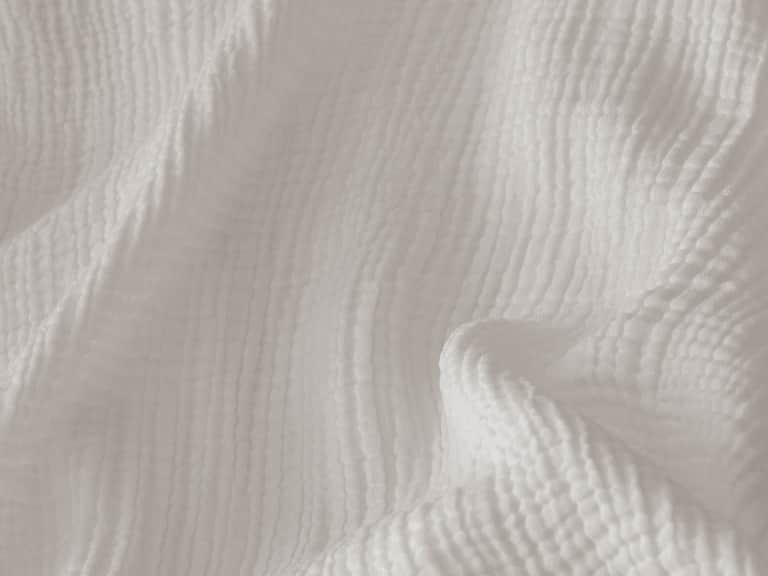
In the context of the Naturepedic Organic Cotton Waffle Blanket, organic cotton fibers provide a chemical-free, breathable foundation ideal for sensitive skin. The waffle knit enhances airflow, contributing to balanced temperature during varying room conditions. Functional benefits include softness, durability, and compatibility with a range of sleep environments and nursery settings.
For comprehensive understanding, consider how bedding materials interact with mattresses, pillow choices, sheets, and nursery textiles. Keywords such as bedding, pillows, sheets, latex, and nursery reflect common concerns across sleeping surfaces. By evaluating fiber content, certifications, and construction, users can select blankets and quilts that support restful sleep and healthy room climates.
 Bedding